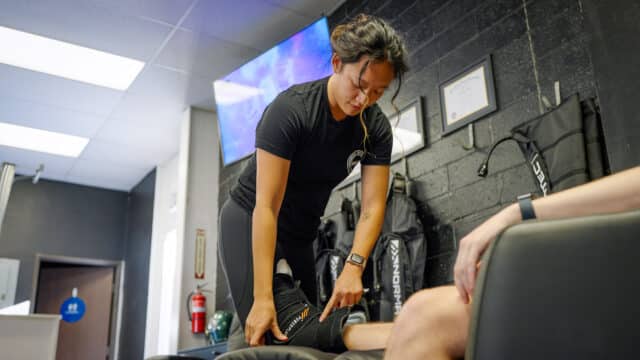
Every four years, the international winter games shine a spotlight on some of the world’s most physically demanding sports. Speed skaters generate explosive force lap after lap. Alpine skiers absorb massive impacts at high speeds. Bobsled and skeleton athletes endure extreme g-forces in runs where precision matters just as much as power.
One thing these athletes share is the constant strain placed on their joints, muscles, and connective tissue. For athletic trainers and winter sport competitors alike, resting between training sessions and competitions isn’t optional. It’s part of performance.
Below, we break down common winter sports injuries and explore practical methods athletes use to rejuvenate between workouts, especially during high-volume training blocks.
How winter sports place unique stress on the body
Winter sports demand a rare combination of strength, stability, and endurance. Plus, cold environments can challenge circulation and muscle elasticity.
- Repetitive joint loading from skating strides and ski turns
- High-impact forces during landings, crashes, and deceleration
- Prolonged isometric muscle engagement for balance and control
- Tight competition schedules with limited recovery windows
When training intensity ramps up, even minor soreness can snowball into performance-limiting issues.
Common winter sports injuries and overused joints
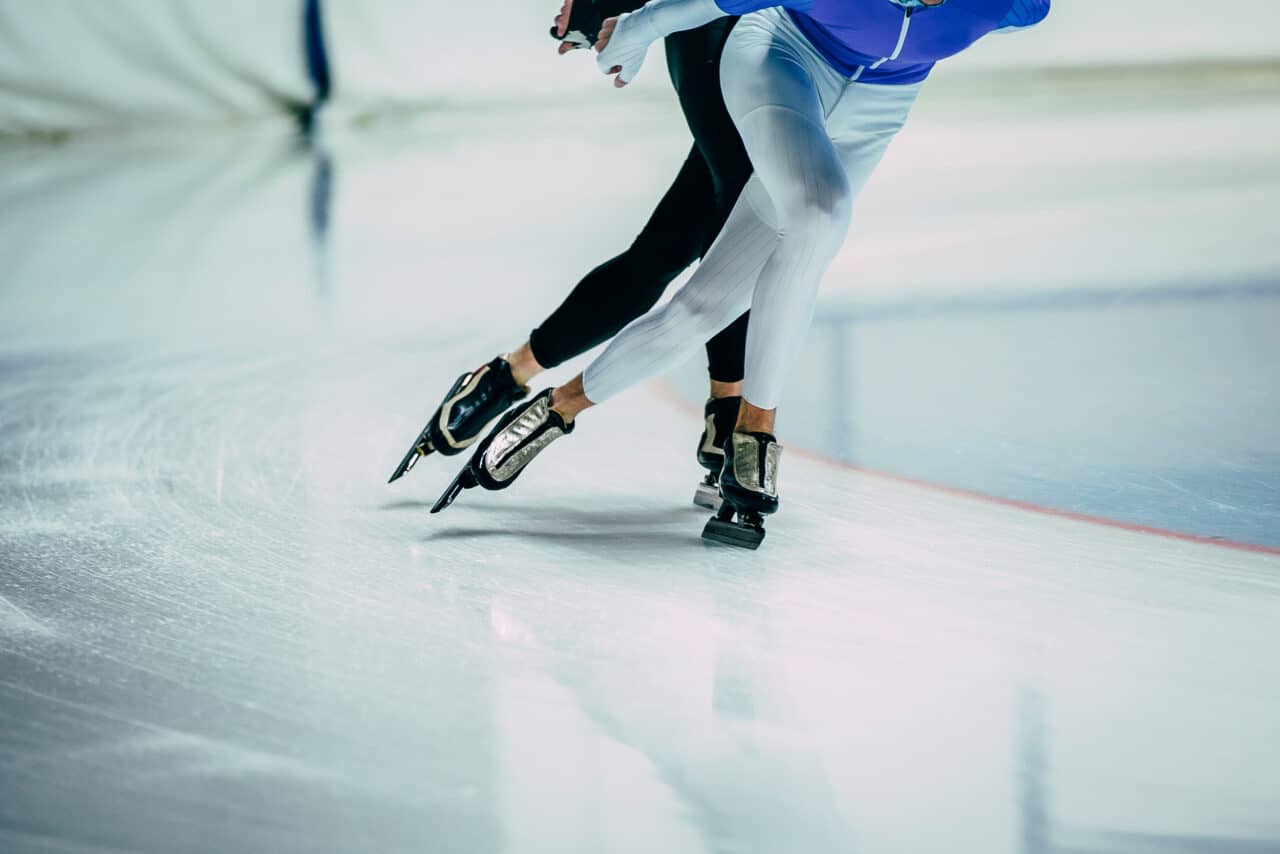
Speed skating and figure skating
Skaters generate power through deep knee bends and aggressive lateral push-offs, placing repeated stress on the lower body with every stride. The combination of explosive force production and sustained skating posture creates a unique load pattern that challenges both joints and stabilizing muscles.
Common issues include patellar tendon irritation, ankle stiffness, hip flexor tightness, and low-back discomfort. Between sessions, maintaining joint comfort and managing soreness becomes critical for preserving technique and edge control on the ice.
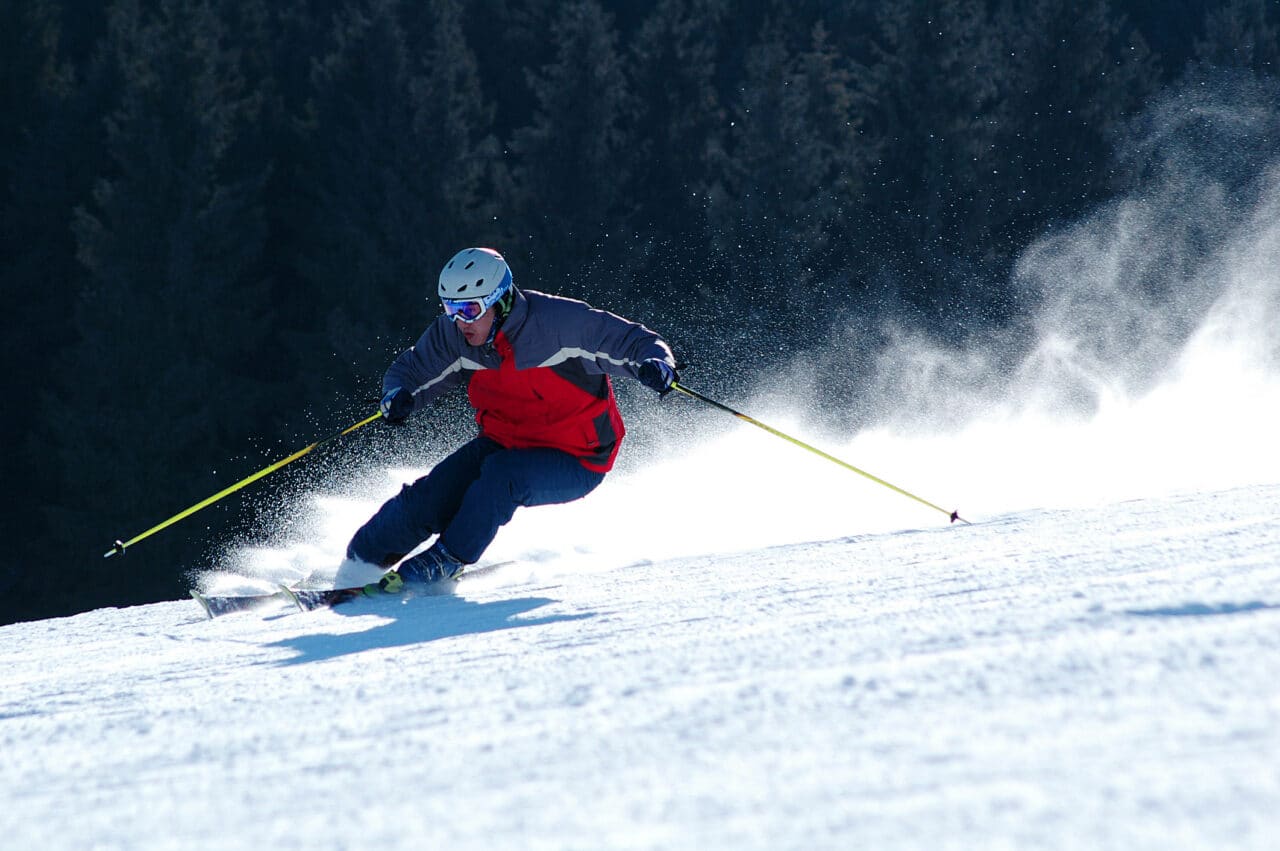
Alpine skiing and snowboarding
Alpine skiers and snowboarders must manage high speeds while responding to constantly changing terrain. Each turn requires precise coordination between the lower body and core, with significant eccentric muscle loading as athletes decelerate and redirect force.
Injuries and overuse issues commonly involve:
- Knees (ACL strain, meniscus irritation)
- Quads and hamstrings
- Ankles and feet
Downhill and giant slalom skiers experience repeated high-impact forces, while snowboarders often place asymmetrical stress on hips and knees due to stance positioning. Even without crashes or acute injury, long training days can leave athletes dealing with muscle soreness, joint stiffness, and swelling.
Effective recovery between runs and training sessions may help athletes maintain control, responsiveness, and confidence as fatigue accumulates throughout a competition week.
Bobsled, skeleton, and luge
Sliding sports may look brief on the surface, but the physical demands are intense. Athletes experience rapid acceleration, high vibration, and sustained g-forces during every run while maintaining precise body positioning.
Common problem areas include:
- Lower back
- Shoulders
- Neck
- Hips
The push start in bobsled adds explosive sprinting demands, while the ride itself exposes athletes to constant compressive forces. Skeleton and luge athletes must maintain rigid body control at extreme speeds, placing strain on the spine and supporting musculature.
Because training often includes multiple runs per day, recovery between sessions becomes especially important. Managing soreness and stiffness can assist athletes in staying sharp for subsequent pushes and maintain consistent form throughout training blocks.
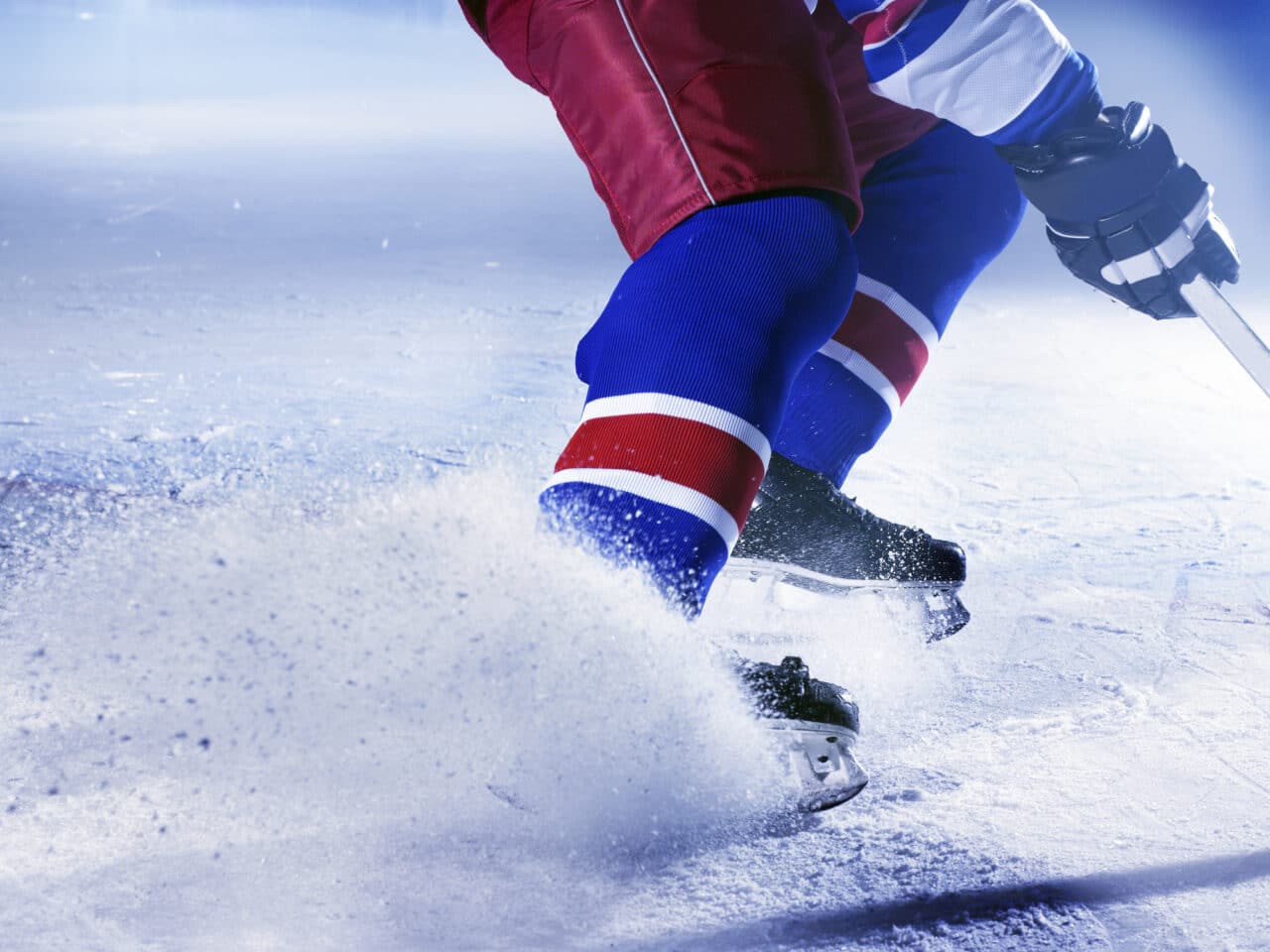
Ice Hockey
As one of the most physically demanding team sports in the winter games, hockey combines speed, contact, and rapid changes of direction. Players must repeatedly accelerate, decelerate, and absorb impact — often over multiple games in a short timeframe.
Common injuries and overuse concerns include:
- Shoulder strain
- Knee overuse
- Muscle strains, contusions, lacerations, acromioclavicular
The cumulative effect of checking, battling along the boards, and repeated high-intensity shifts can leave players dealing with widespread soreness and joint discomfort. Tournament-style play, where teams compete in several games over a few days, further amplifies recovery demands.
Between games and practices, maintaining mobility and managing post-game soreness are essential for potentially keeping players effective throughout a compressed competition schedule.
The importance of rest between sessions
For winter athletes, rest isn’t only about bouncing back from injury. It’s about maintaining movement quality, managing soreness, and staying ready for the next session.
Between workouts, effective recovery strategies aim to:
- Support circulation after intense muscle use
- Help manage minor aches and swelling
- Reduce perceived soreness so athletes can train consistently
- Maintain joint comfort during travel and competition schedules
Cold and compression in winter sports recovery routines
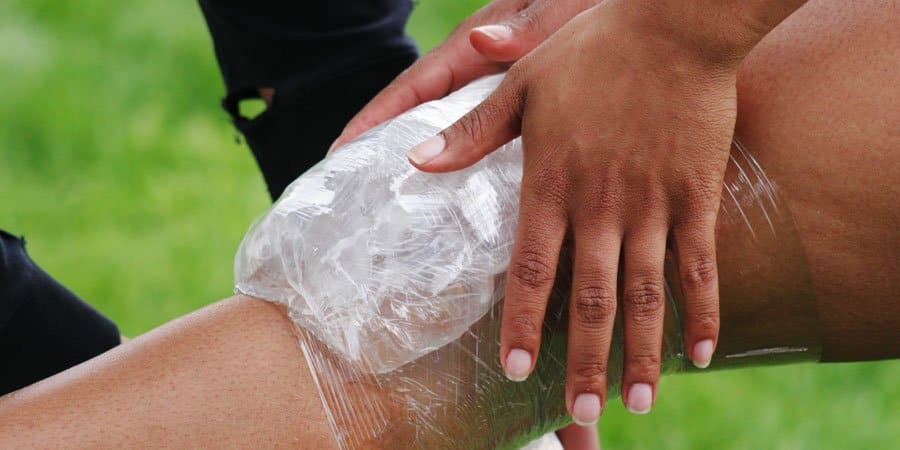
Cold therapy and compression have long been staples in winter sport recovery rooms.
- Cold therapy is commonly used after intense activity which may help manage soreness and discomfort in overworked muscles and joints.
- Compression therapy is frequently applied to support circulation and potentially reduce post-exercise swelling.
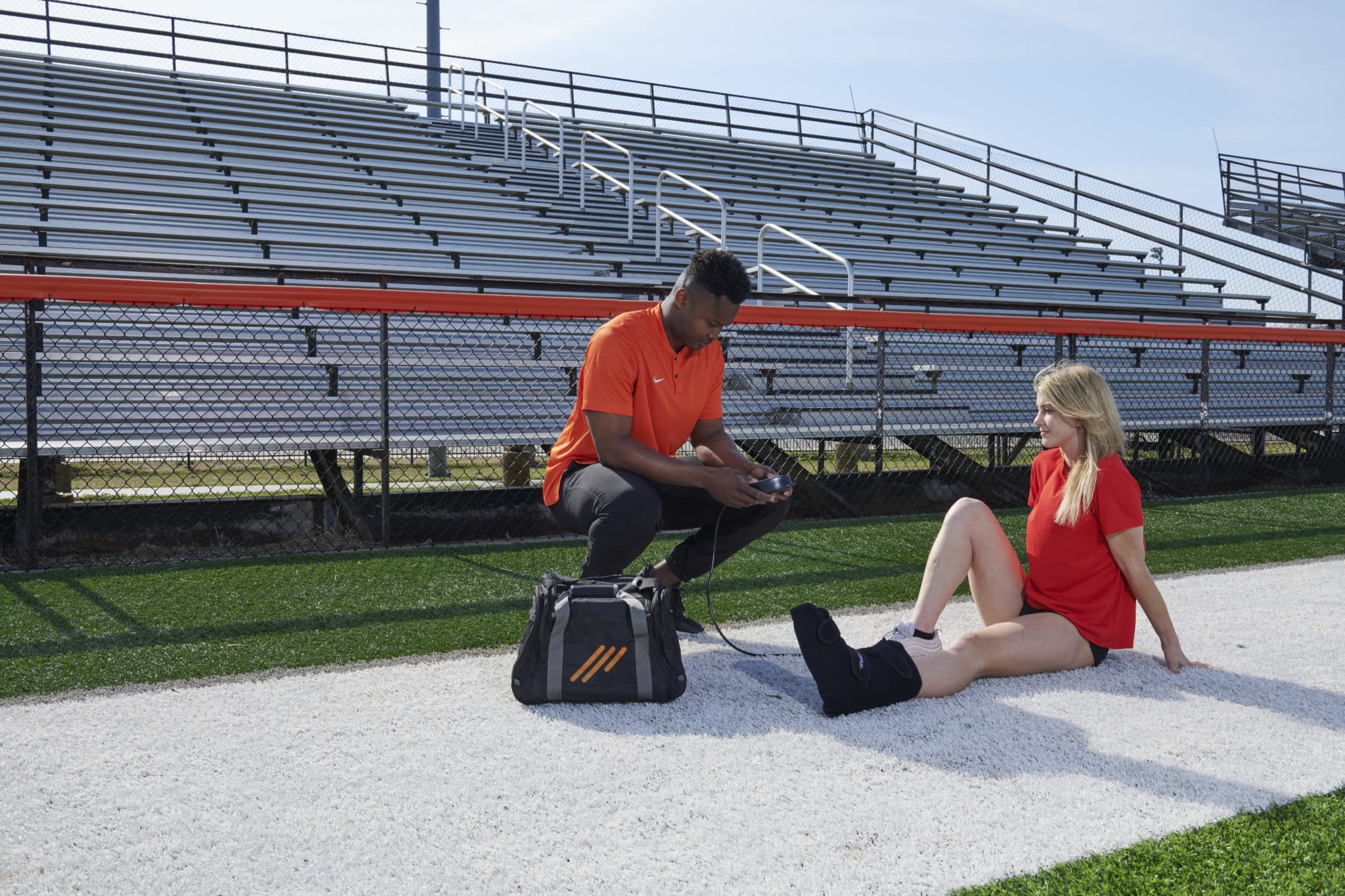
When used together, cold and compression are often incorporated into post-training routines and could facilitate athletes feeling ready for their next effort, whether that’s later the same day or the following morning.
For traveling teams and athletes, portability and ease of use matter just as much as effectiveness.
Supporting athletes through the grind of winter competition
The winter games represent the peak of winter sport performance, but the road there is long, repetitive, and physically demanding. Staying healthy isn’t just about avoiding injury; it’s about managing load, respecting recovery, and giving the body what it needs between efforts.
For athletic trainers and winter athletes alike, consistent recovery habits may help support:
- Long training blocks
- Multi-day competitions
- High-stress travel schedules
- The physical demands unique to cold-weather sports
When margins are tight and stakes are high, recovery between sessions can matter just as much as performance on the ice, snow, or track.
Shop Cold Compression Solutions from PowerPlay
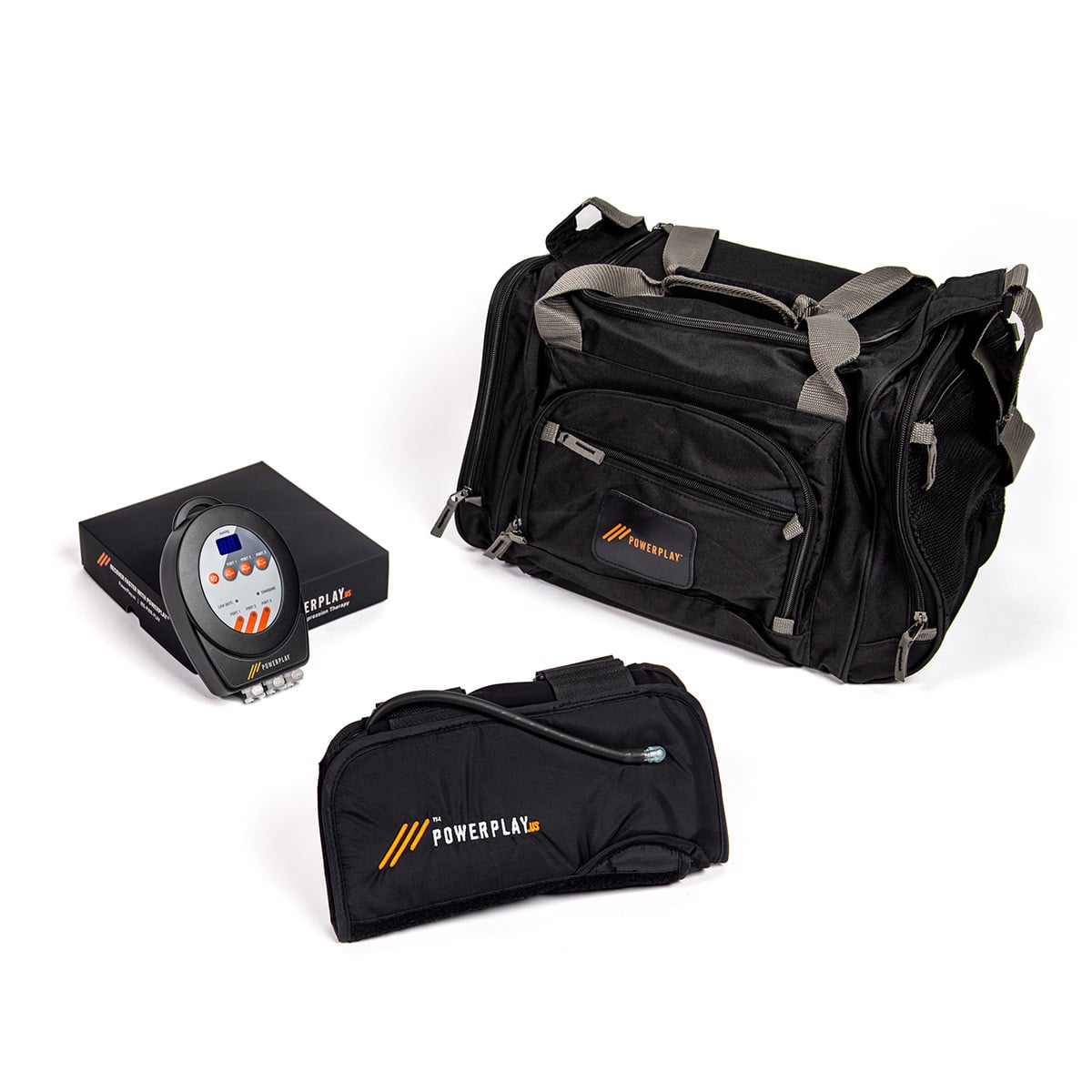
PowerPlay systems combine cold therapy and intermittent compression in a portable setup designed for clinics, sidelines, and travel.
The information featured on this page is subject to our standard content policy and disclaimer. It is available for informational purposes only and is not intended as a substitute for professional medical advice.