For many players, tennis is a lifetime sport. From high school matches to weekend leagues, it’s a game that sticks with you.
But if you’ve played long enough, you also know tennis is about being prepared both on and off the court.
Why Tennis Takes a Toll
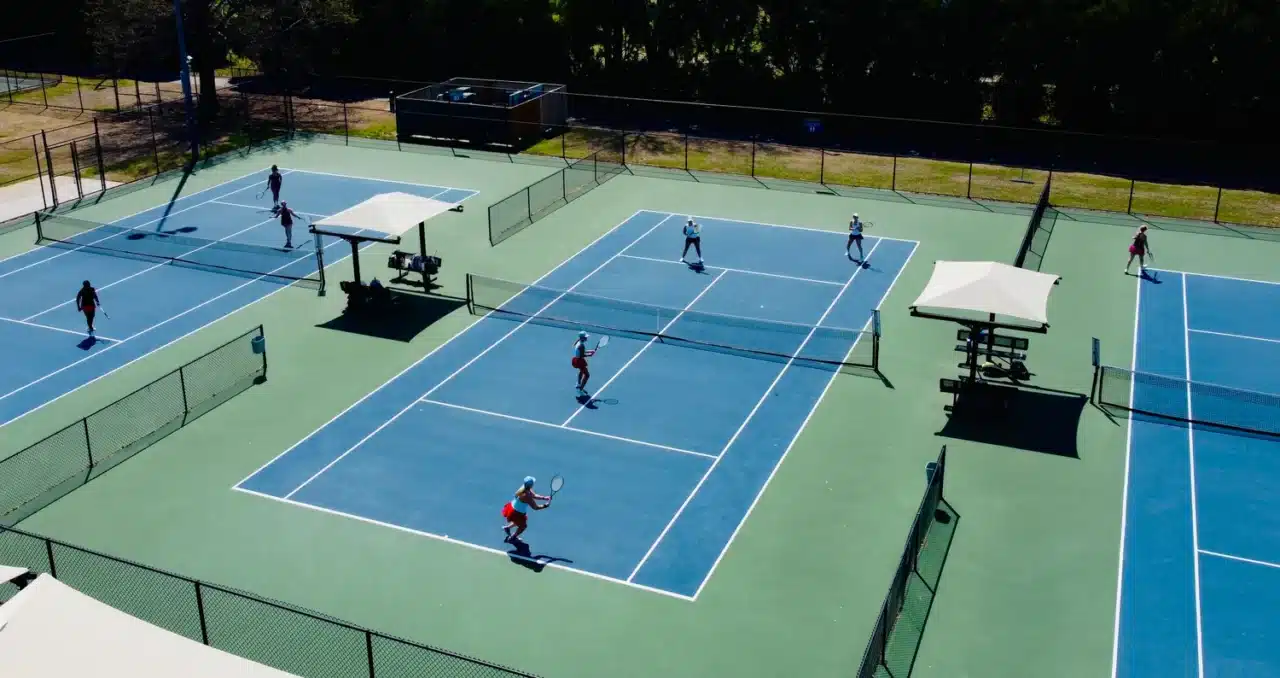
Tennis might not look like a collision sport, but it’s demanding in ways that add up.
Some of the most common issues include:
- Knee pain
- Elbow injuries, like Tennis elbow
- Shoulder strain
- Calf and Achilles tightness
These aren’t usually one-time injuries. They’re the result of repetition, load, and time.
- Repetitive movement: Serving, pivoting, sprinting, and stopping load the same joints over and over again.
- Overuse without recovery: Many players hit the court multiple times per week. Without rest or cross-training.
- Wear and tear over time: As players stay in the sport longer, joints and soft tissue simply don’t bounce back as quickly.
- “Weekend warrior” patterns: Jumping into intense play without proper conditioning can strain knees, elbows, and shoulders.
Embracing Proactive Recovery at Case Tennis Center
Case Tennis Center in Tulsa, Oklahoma, recently started using PowerPlay products.
There, Melissa McCorkle, director of racquet sports, is always looking for ways to help tennis players level up their game without taking a physical toll.
“Overuse is one of the key things we see,” says McCorkle. “After a number of years, some players may begin to experience increased joint discomfort.”

For many recreational and league players, recovery isn’t part of the routine; it’s reactive. But once an injury has progressed to the acute stage, it can be very hard to bounce back.
McCorkle encourages her players to listen to their bodies and pay attention if something feels “off.”
That’s when it may be helpful to take a proactive approach to reduce strain and support recovery.
As always, proper warmup, stretching, hydration, and rest are key to staying in shape.
“It’s kind of one of those sports that you really need a day in between or some cross-training going on before you’re going to stay healthy at it,” says McCorkle.
What tennis players are actually looking for
For many tennis athletes, the goal isn’t shaving seconds off a sprint or adding velocity to a serve, it’s:
- Feeling better after playing
- Improving mobility the next day
- Avoiding constant reliance on medication
- Staying consistent week to week
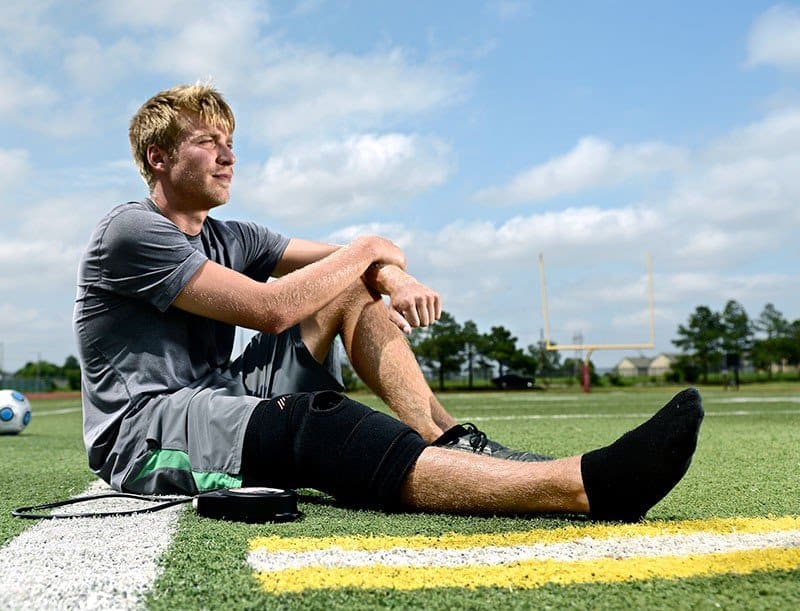
Dana Dudley is a lifelong athlete who plays at a 3.5 USTA level at the tennis center. When she began to feel knee discomfort after a match, she started looking for simple recovery options.
For her, a PowerPlay Single Pack with 360 Knee Wrap became an important part of staying in the game.
“It wasn’t complicated,” says Dudley. “It’s not bulky, and I loved the compression aspect of it.”
Portable cold + compression therapy
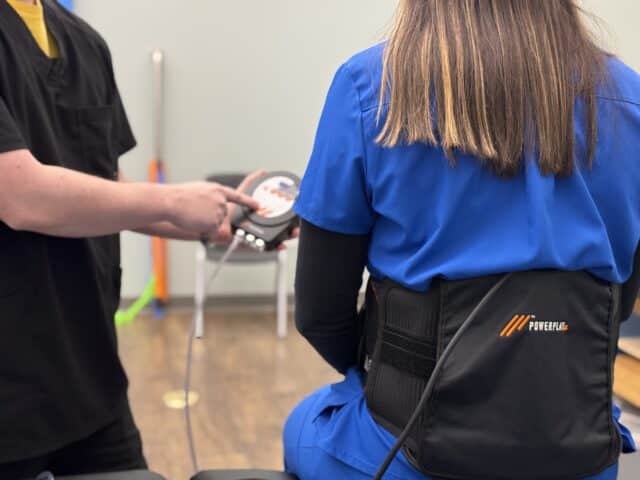
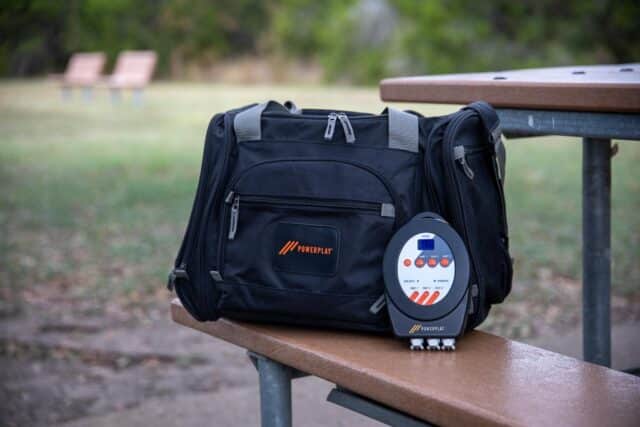
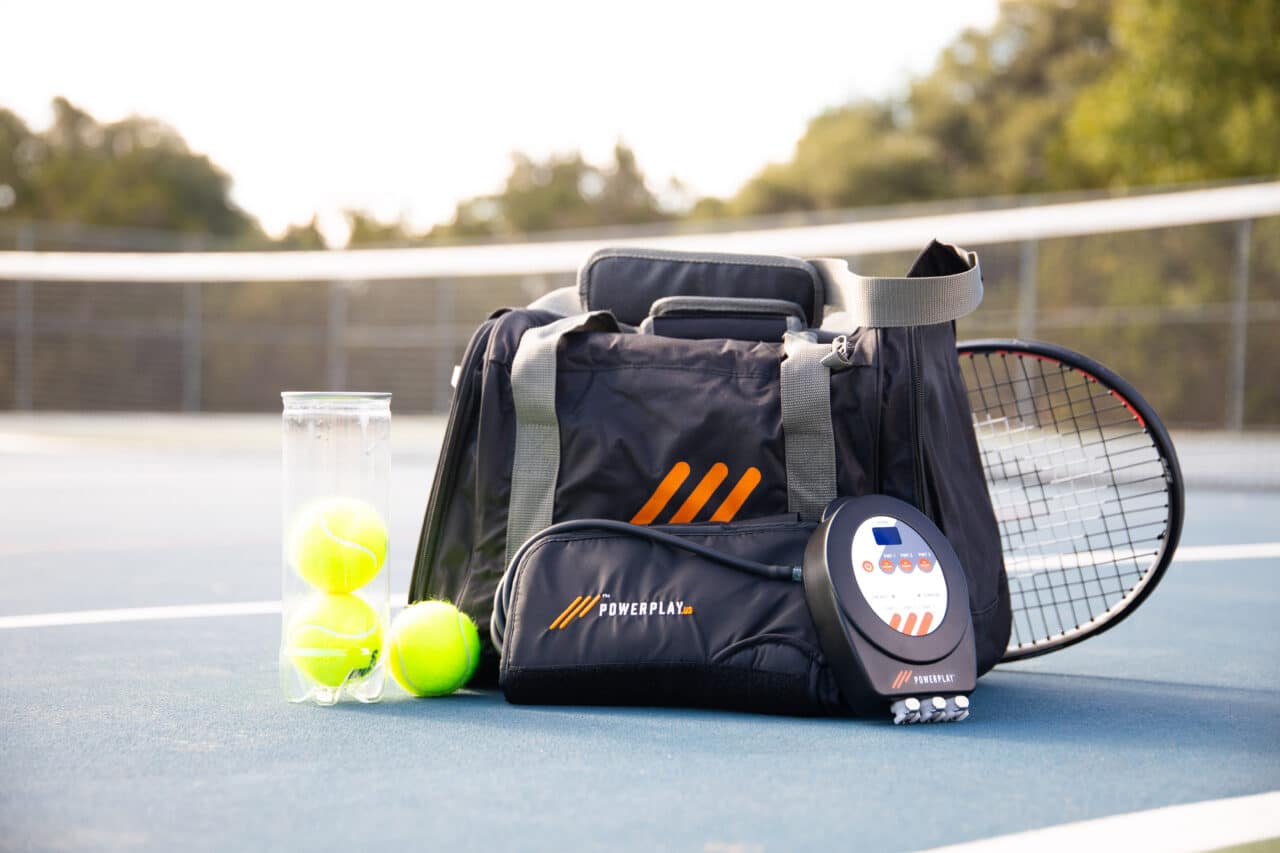
PowerPlay brings cold and compression therapies together in a portable system designed for use at home, on the sidelines, or wherever your routine takes you.
Cold therapy and compression are both widely used in sports and recovery settings. Combined, they offer a simple, accessible option that many athletes use for post-play recovery. Cold therapy is commonly used to help reduce pain and inflammation after activity
What players notice
From real-world feedback at Case Tennis Center, a few things stand out about PowerPlay:
- Compression is a favorite feature. Many users say it feels more impactful than ice alone.
- The combination of cold and compression feels like a more complete solution for many users.
- Some users report feeling more mobile after sessions.
- The system can be used while moving around — not just sitting still.
And just as important: PowerPlay fits into everyday life.
Keep your routine going
If you’re playing regularly and starting to feel the effects, PowerPlay is an easy-to-use, over-the-counter portable inflatable tube massage system designed to help promote localized circulation and provide temporary relief of minor muscular aches and pains.
Explore how PowerPlay can fit into your routine at home, after matches, or between sessions, helping players stay consistent on and off the court.