Like many professional athletes, Amanda Fama’s career has been defined by persistence, adaptability, and showing up, even when circumstances are far from perfect.
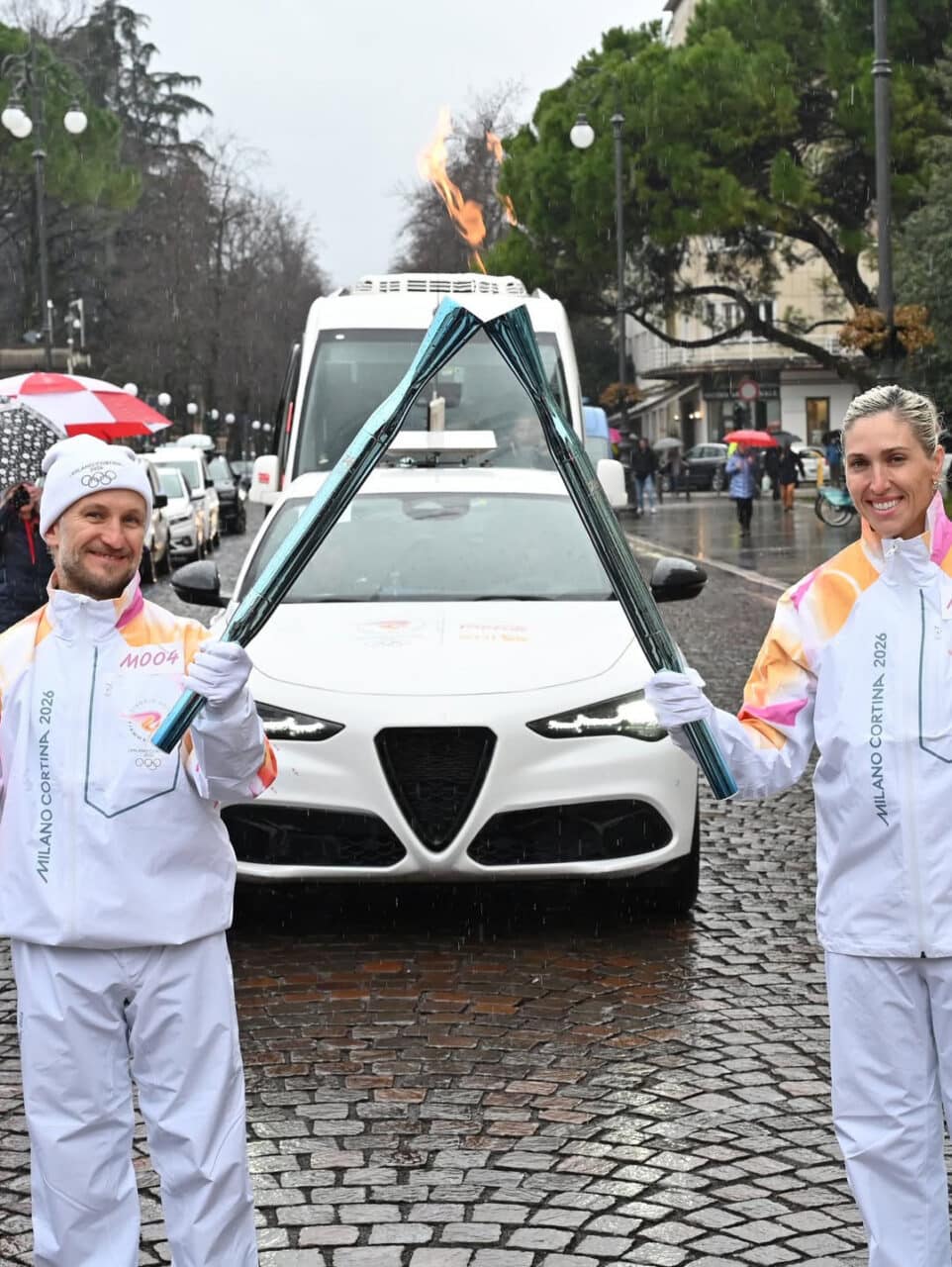
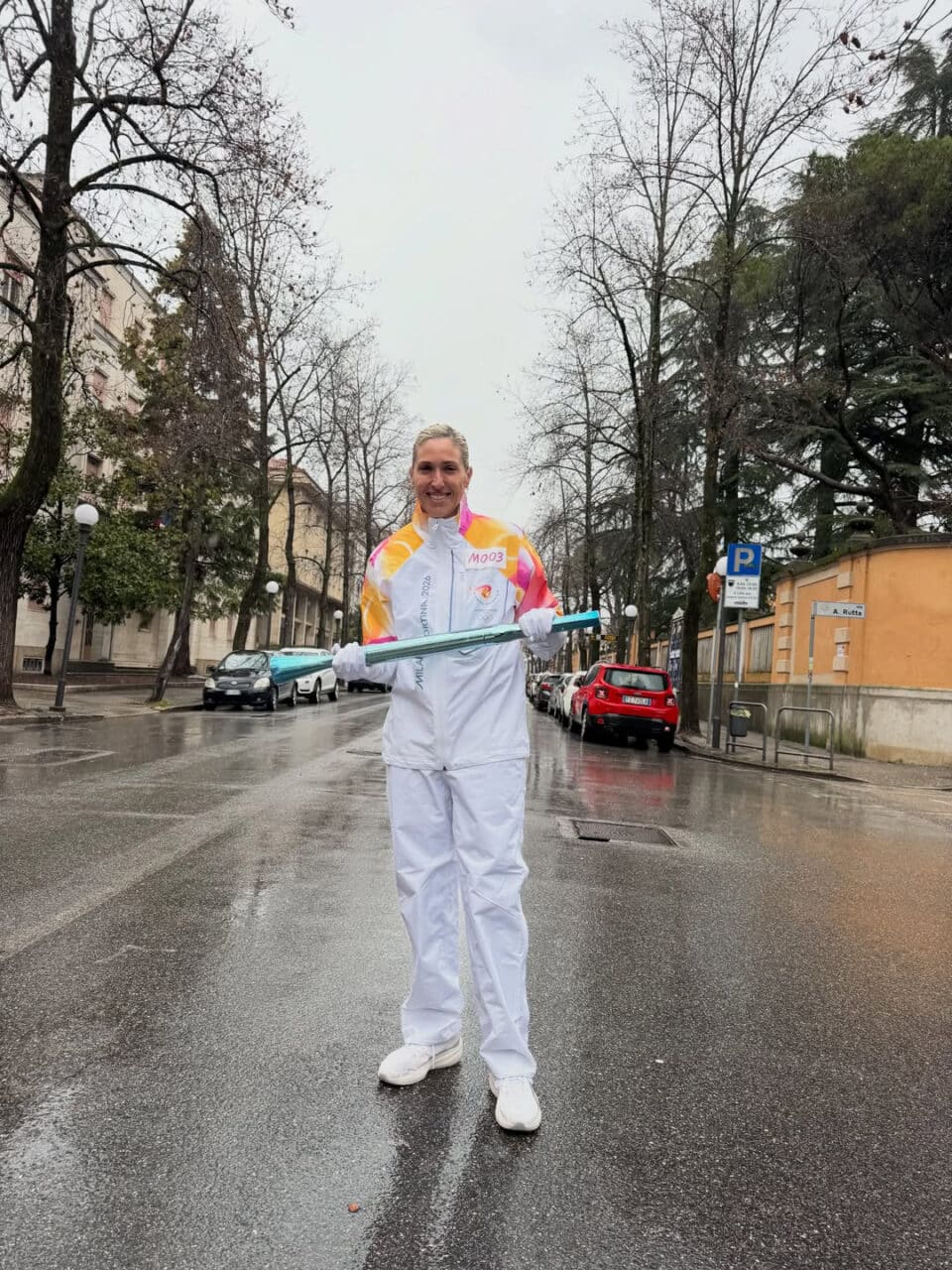
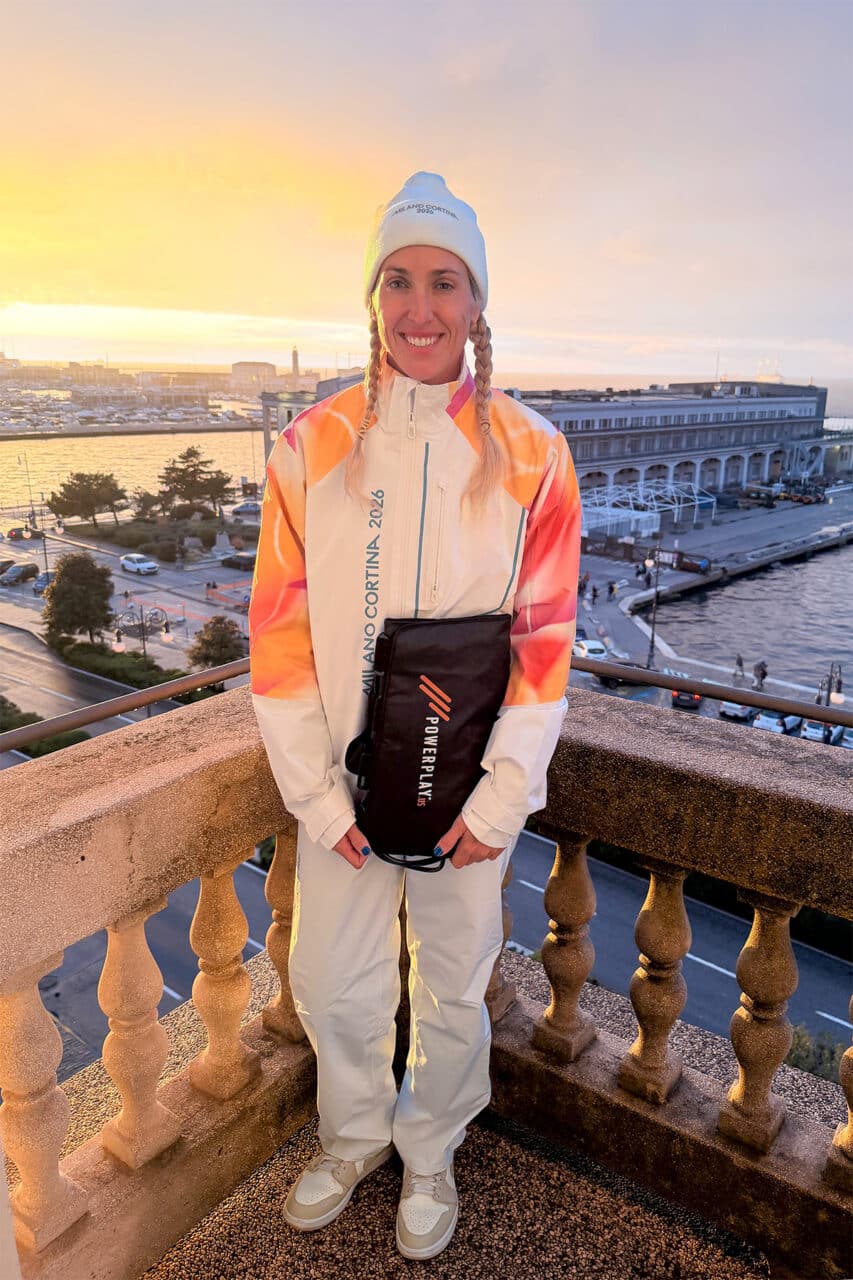
As a Tokyo 2020 Olympic softball athlete, Amanda was selected to participate in the torch relay of the 2026 Winter Games — while dealing with a torn ACL!
“It was a full circle moment for me as I stood in the rain,” Amanda says. “Especially knowing everything I’ve worked through to get here.”
How did she do it? It all comes down to mindset and surrounding herself with the right people and the right tools.Meet Amanda Fama
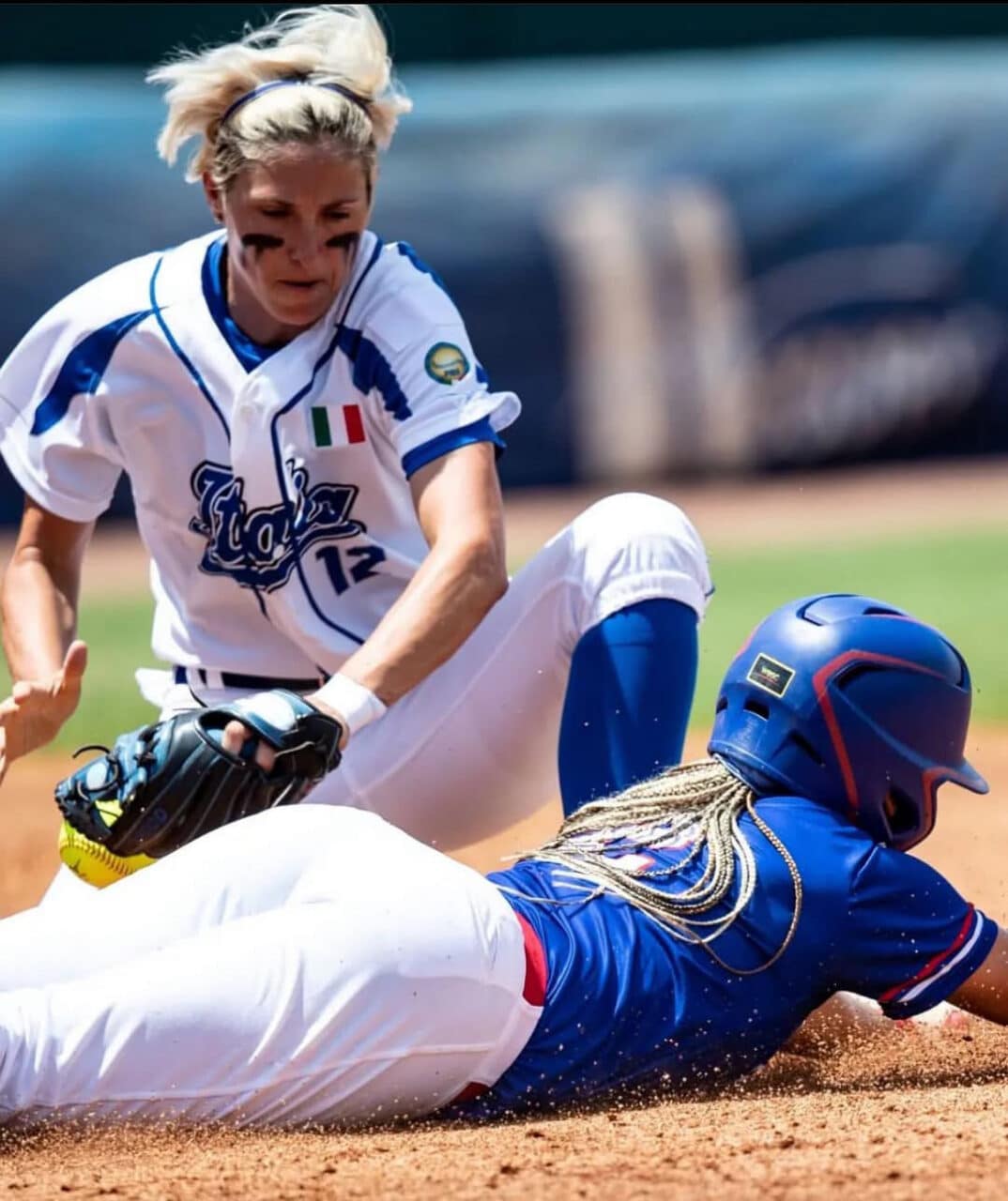
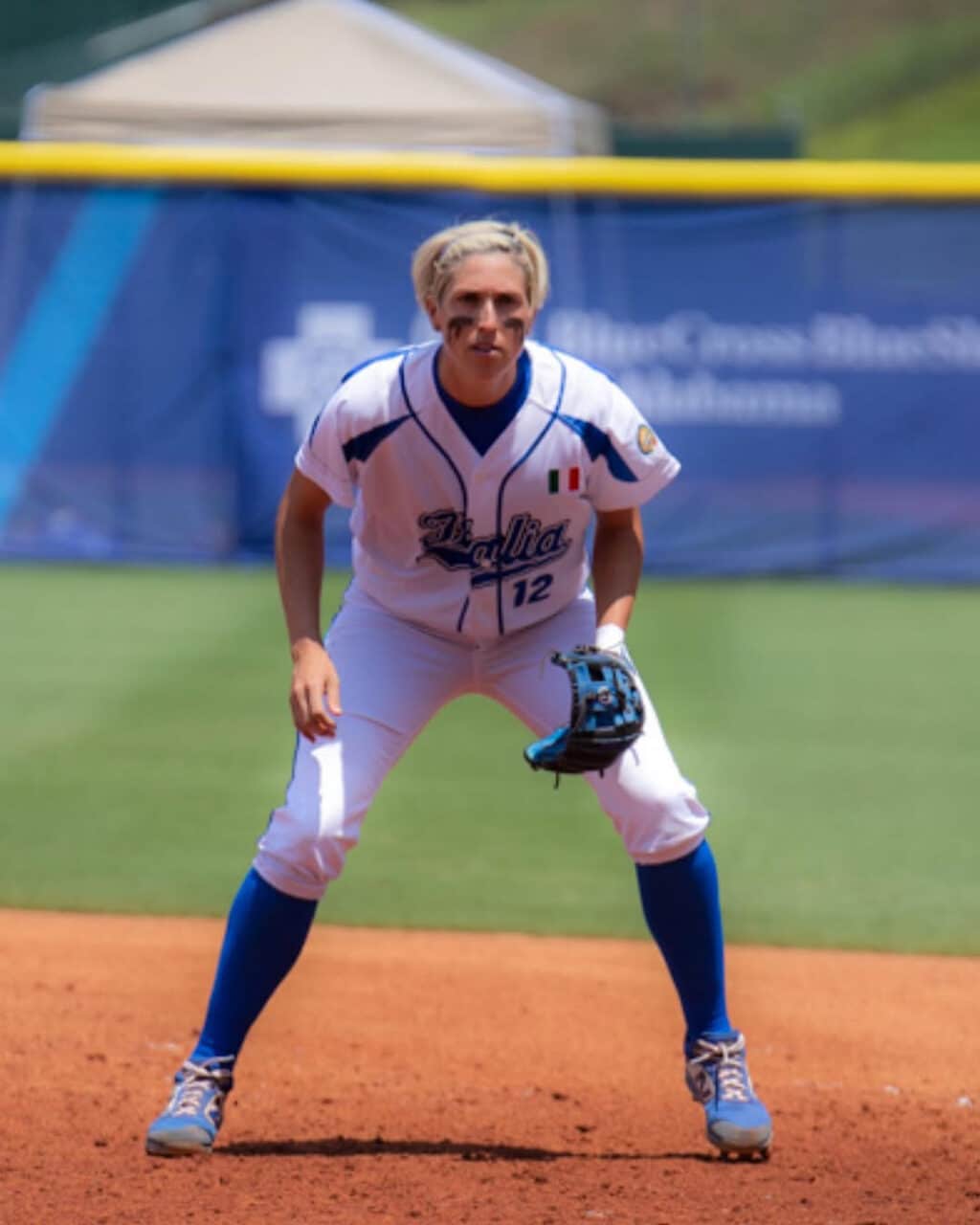
Amanda Fama has been living and breathing softball since a young age. She played softball for the Cypress Chargers and Concordia University Irvine before the pinnacle achievement of playing in the 2020 Olympic Games in Tokyo. She is also a two-time European Champion, three-time Italian League Champion, and three-time Cup Champion.
Just this year, she was called upon to carry the Olympic Torch leading up to the 2026 Winter Games in Italy.
According to Amanda, “It’s a full circle moment.”
She explains that playing in the Olympics during COVID was a strange experience, but coming back to carry the torch for Italy is a strong validation. “It says a lot that they feel I’m worthy to represent the country.”
“I really have no words for this experience. To represent sports, athletes, Italia, and the Olympic Games in this role was such an incredible honor… looking up at that flame… I’d be lying if I said I didn’t shed a few tears.”
No Stranger to Curveballs
While she was preparing for this once-in-a-lifetime honor, Amanda was navigating a torn ACL and meniscus. And of course, the injury happened in the middle of training, coaching, and everyday life.
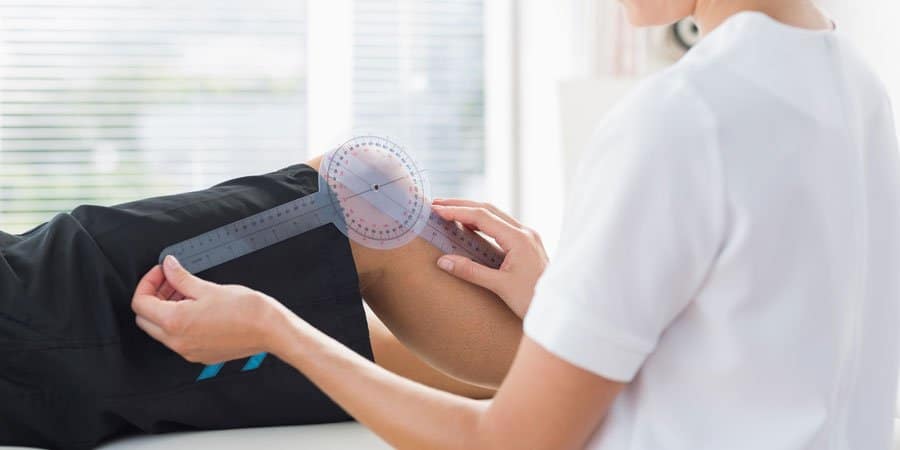
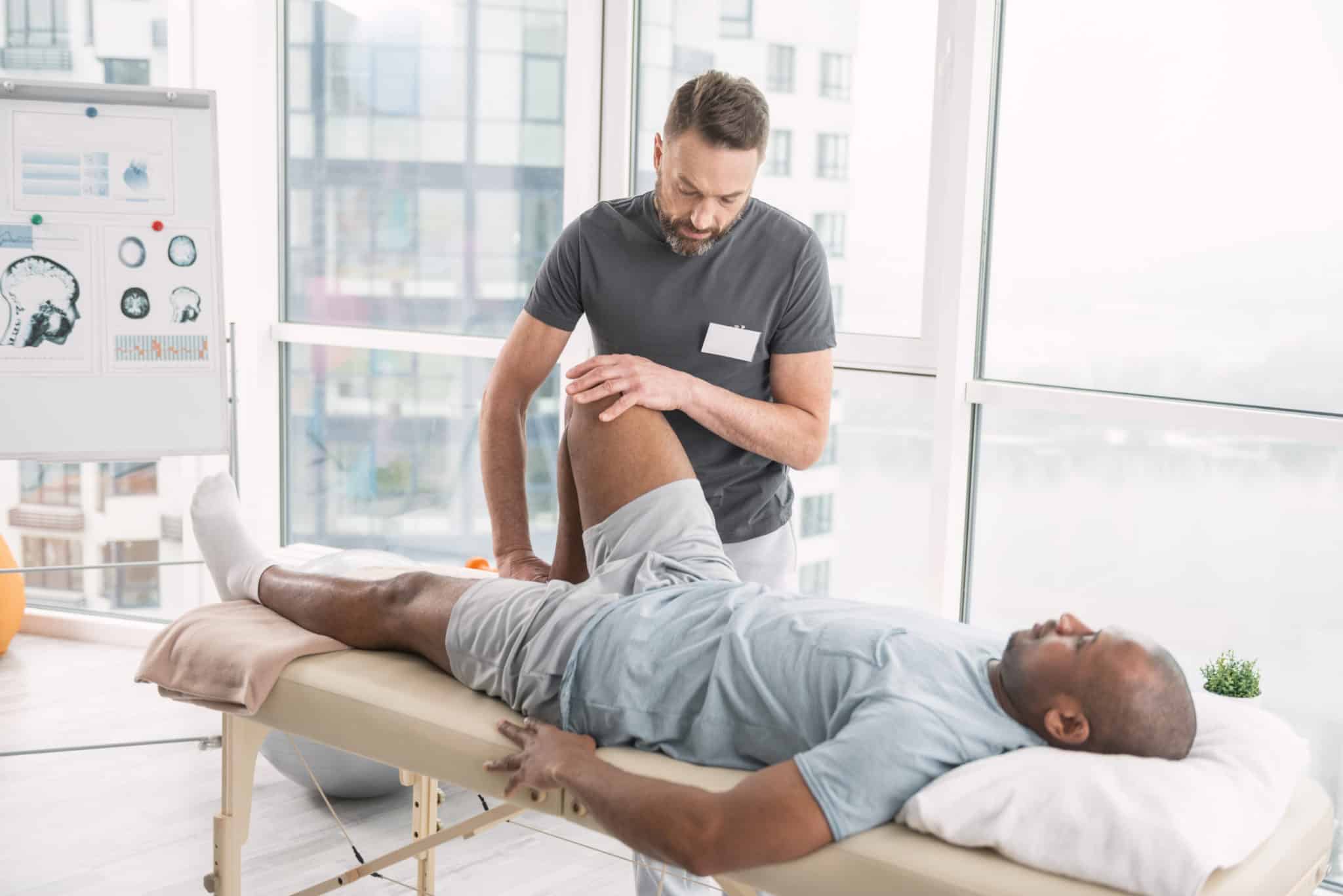
Rather than stepping away, Amanda adjusted with physical therapy several days a week and modified training. She’s been working with her healthcare team through thoughtful decisions about when to push and when to pull back.
And it’s not the first time a big injury has come before an important event. Years ago, Amanda had wrist surgery six months before her Olympic qualifier, but she made it happen.
Once again, despite her injury, Amanda says she’s thriving. “This is me feeling like I’m back in my element.”
Identity Beyond Competition
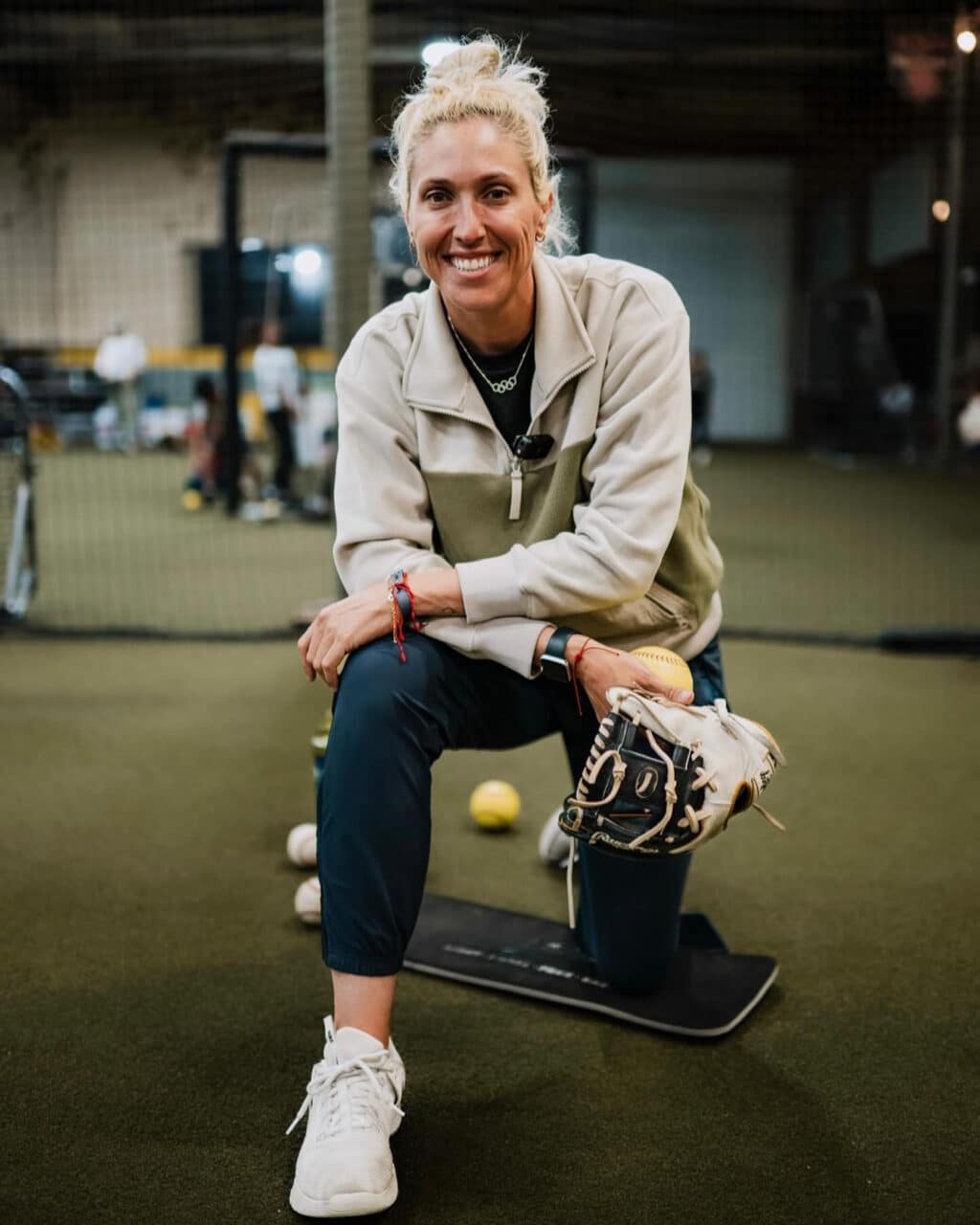
Today, Amanda coaches youth athletes at GroundWork Defense Lessons, helping the next generation develop both skills and confidence.
For her, showing up matters, especially when things aren’t easy. She believes young athletes benefit from seeing this full picture, not just highlight moments.
“People, especially professional athletes, want to seem strong and look their best,” she says. “Injury is a very, very tough side of the game. When kids or young athletes go through it, they think it’s abnormal to be upset or struggle or fail.”
Through her journey, Amanda is using her story to shed light on this difficult — and completely normal — side of competitive athletics.
Already, she’s had a lot of positive feedback from athletes and even from parents whose daughters or sons might be working through an injury.
Playing the Long Game
Through injury, training, and preparation for upcoming surgery, Amanda approaches body care as a long-term commitment. It’s not just about returning to competition — it’s about maintaining strength, staying engaged, and preparing for what comes next.
She continues to train with intention, focusing on stability, strength, and consistency. Not because she’s chasing a quick fix, but because taking care of her body now supports everything that comes later.
“I’m not just thinking about right now,” she says. “I’m thinking about what’s next.”
The Mental Game: Confidence and Consistency
The physical challenges of injury are only part of the equation. Amanda says that the mental side is just as important.
For Amanda, having familiar routines and trusted tools helps her stay mentally engaged. Feeling prepared, even on difficult days, makes it easier to keep showing up.
“If something makes me feel better physically,” Amanda says, “it helps me stay confident mentally.”
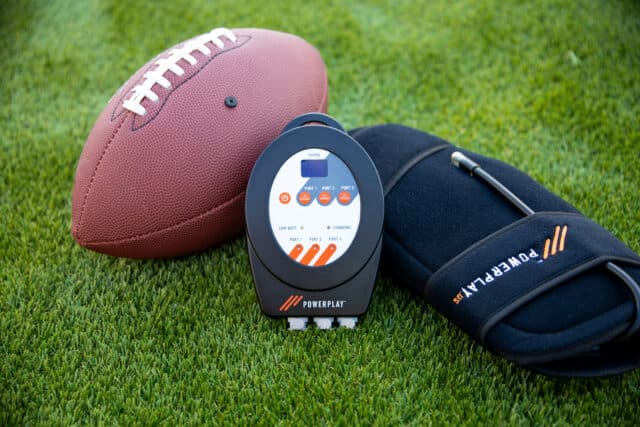
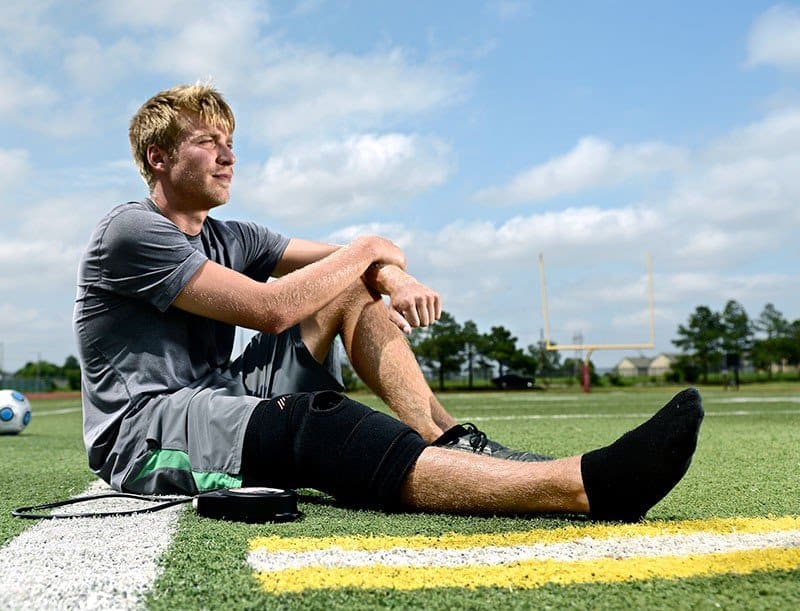
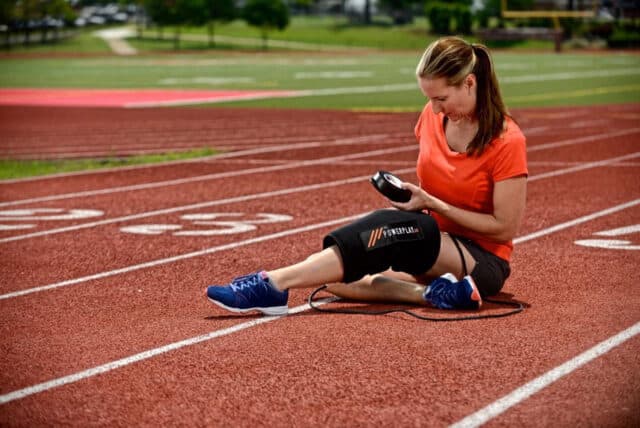
One of the tools Amanda incorporates into her routine is the PowerPlay cold compression system with a 360 knee wrap.
She uses compression to temporarily support blood circulation before training or therapy and turns to cold at the end of a long day when she’s dealing with discomfort.

“PowerPlay helps me feel better. I see it working… And that’s not just physical, it’s also related to the mental hoops you have to jump through to stay confident and stay consistent.”Get Back in the Game with PowerPlay
Amanda’s story resonates far beyond elite sports. Injuries happen, life gets complicated, and progress isn’t always linear.
What matters is staying engaged — mentally and physically — through every phase of the journey. Having the right tools, routines, and support can make that easier.